

Boiler leaking from underneath

Why is my boiler leaking from underneath?
If your boiler is leaking water from underneath then this is a problem that needs to be fixed immediately. Often it is caused by poorly fitted or damaged pipework directly below the boiler.
This will be the most common cause but in this post, we will cover this as well as other common causes and give you advice on the next steps to take to get it fixed. We will cover water leaking boiler issues with both combi, oil and system boilers.
Generally, this issue can be fixed with a good repair job and there is no need to replace the system entirely. In some cases, the boiler engineer may find terminal faults and a boiler replacement may prove to be a more cost-effective solution.
How to fix a leaking boiler?
We would always recommend that you contact a gas safe engineer to deal with a leaking boiler, however, if you have experience or are confident with DIY then there are a few things you can try
Tighten a lose seal
If you have water dripping or leaking from a joint of one of the pipes, then dry the area and check again and see if it persists. Once you have detected the exact joint that is leaking water you can tighten the joint and see if the leak stops.
Use a boiler leak sealer
This is not something that we would recommend as it is not going to solve the problem in the long run. However, if the leak is very small, using a sealant to cover it, will provide a quick fix but we recommend speaking to a gas safe engineer to fix the problem safely and properly.
If you are going to take this measure then we would recommend looking at the Fernox sealer, it is widely regarded as the best sealant to tackle a boiler leaking water, you can find a direct link here.
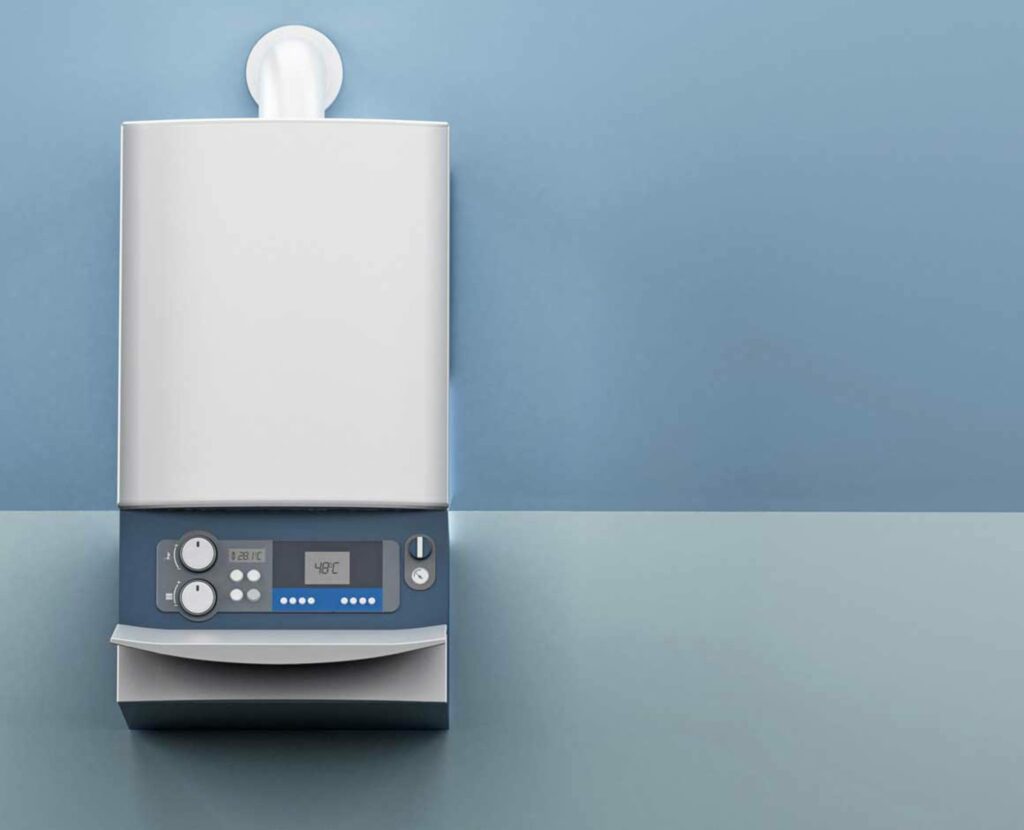
Causes of a boiler leaking water from underneath
Faulty heating pump
Usually when a heating pump becomes faulty and starts to leak it´s caused by damaged seals. We often see this in boilers aged over 10 years as it is caused by wear and tear.
Pressure release valve
If you have noticed your boiler leaking water then this could be caused by the PRV. This valve is there to regulate your water pressure. We have written a blog about maintaing the optimal boiler pressure, you can view the blog here. If you overfill the boiler this valve may start to release water to try to reduce the water pressure and this may be the cause of the leak.
Auto air vent
Like the pressure release valve the auto air vent functions to keep the pressure of your boiler at a safe and optimal level. When your boiler pressure is too high, the excess pressure will go to the auto air vent. It should not happen but it often does, that the vent will release water as well as air pressure. This may be the cause of your boiler leak.
This leak would start at the top, so if you are noticing a leak from underneath your boiler, check the pipework above and the interior casing for further water.
Poorly fitted connections
If your boiler has recently been installed then there is a chance that the boiler connections for the flow and return have not been sealed correctly. If this is the case it´s as simple as tightening the connection slightly and the leak will stop.
Broken heat exchanger
As we stated earlier most boiler leak issues can be fixed. This is one of the faults which would generally result in a boiler replacement. The boiler heat exchange cost a lot of money and will erode over time. Rather than spending money on an expensive part to fit into an old boiler, we would recommend, in most cases to replace the boiler.
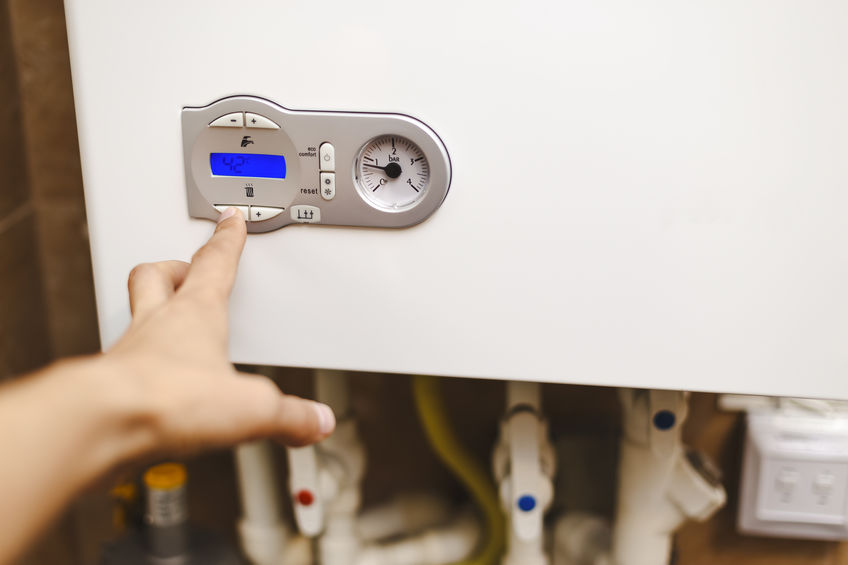
Is a boiler leak dangerous?
A boiler leak can be dangerous as it may mean that water is leaking onto electrical parts. These electrical parts will be sealed however it is recommended that you turn the boiler off in this case just to be safe.
Aside from safety turning off the boiler when you see a leak is recommended as the water leak may enter the circuit board causing an expensive repair job or even lead to a boiler replacement when the original leak can be fixed with a simple repair.
Does a boiler leak affect boiler pressure?
Yes, if your boiler is leaking water then you will see a loss of boiler pressure. You will also notice a loss of pressure if you are experiencing a leak from a radiator or towel rail for example.
In summary
I hope we have covered the causes and fixes of a boiler leak well enough that you have a clear idea of the next step to take. In summary, if you can see the cause easily and a simple tightening of a part for example resolves the issue then great! If not then we would recommend that you contact us or another gas safe company to come and inspect the problem to get it resolved safely and efficiently.

Important Links
Get in Touch
9 Seymour Av, Worcester WR3 7LT
01905 412889
admin@lmplumbersworcester.co.uk
