

Heavy rain & your boiler
More damaging to your boiler than sub-zero temperatures

Storm Dennis has brought devestation to many homes throughout England in this early part of 2020. No more so than in the Worcestershire area where we have seen extreme flooding in many areas as the river severn has risen to dangerous levels. In Worcester city, flooding has brought choas to the community via road closures, disrupting businesses and commuters. This is despite the council investing in flood protection to the tune of over 1 million pounds less than 2 years ago by rasing the road level (New road) by 15 inches.
Storm Dennis is causing severe disruption to small businesses such as ours at LM plumbers Worcester, but we are doing our best to reach all of our customers and get all every job completed on time. However this disruption is nothing compared to worcester residents that are losing valuable and sentimental posessions in their home due to serious flooding.
In this post we will look at the damage that heavy rainfall can have on your heating system and some preventative meassures you can take to minimise the damage. As heavy rain can be more harmful to your boiler as sub zero temperatures, we feel this is an important issue that homeowners should be aware of at this time.
“We always try to make our customers aware of the impact that the weather can have on their heating system. We take meassures during installation to minimise effects, especially heavy rainfall, as should all qualified engineers.” Luke Mann
Condensing boilers are most at risk to damage through heavy rainfall. During periods of heavy rain the condensing boiler can flood, more often than not, making the boiler irreparable and leave the owner with no choice but to install a new boiler. This will come at a heavy cost as flooding of the boiler in this manner will not be covered by the warranty, so the homeowner will bare the full cost of the replacement.
Problems usually begin after heavy rainfall puts a massive strain on a homes drainage sytem. If the drainage system is blocked or partially blocked by leaves or any other objects (often the case during bad weather and storms) then you may see the water backfilling into the internal pipework within the home.
Condensate pipes can terminate at the rain water downpipe, providing the pipe terminates to the foul waste water system. If this becomes blocked, more often than not, the water will backfill into the condensate pipe and ultimately flood the boiler.
A simple way to avoid this from happening is by fitting an external air break into the pipework (see picture below) before it enters the vertical rain water pipework. This separates the condensate outlet of the boiler from the drain pipe. This makes it impossible for water to flow back into the condensate pipe, even if it becomes blocked.
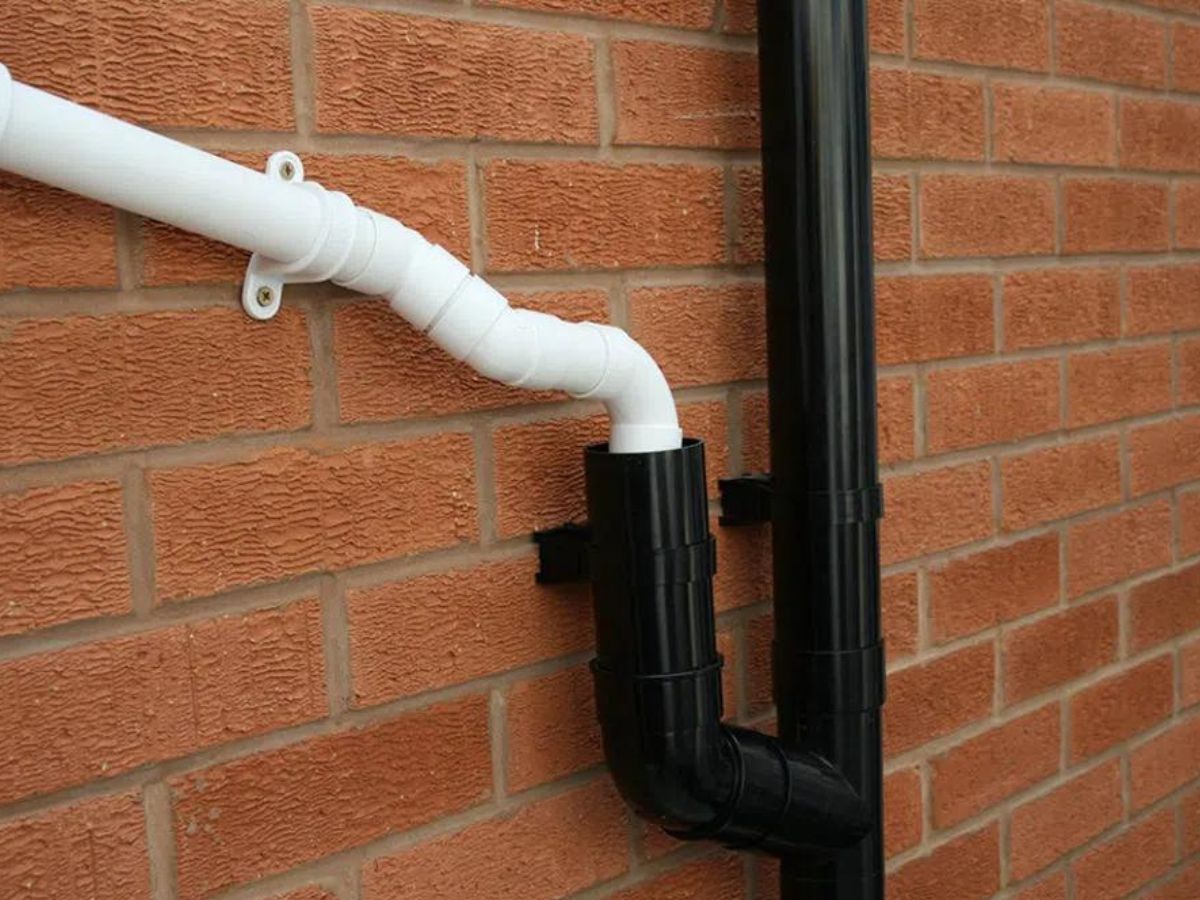
At LM Plumbers Worcester, with this type of pipework, we will always recommend fitting this prevention method into the system. It is a simple meassure that could potentially save our customers thousands of pounds. With the weather is becoming more turbulent and we are experiencing heavier periods of rainfall year on year, these are important steps that all tradesmen should be educating customers about.
If you do not have an external air break fitted, and you are concerned about the safety of your boiler, we would urge you firstly to make sure that your gutters and downpipes are clear and free from debris. This will go a long way to making sure that you will not get a blockage and and eventual backfill into your heating system.

Important Links
Get in Touch
9 Seymour Av, Worcester WR3 7LT
01905 412889
admin@lmplumbersworcester.co.uk
