

Do I need a CP-12?

Do I need a CP-12?
This is a question that we are asked by landlords regularly. The answer is yes, if you are a landlord you are required by law to get a gas safety certificate (CP12) for all of the properties that you rent out.You can view our full services offered to landlords by clicking HERE.
This is to ensure that all gas appliances within your properties are working correctly and that your tenants are safe from any dangers that can be caused by faulty gas appliances. In this post, we will run through exactly what a CP12 consists of and the steps that we go through as gas engineers when completing a gas safety check.
What is a CP12?
As this is also a question that we get asked let’s start here by explaining exactly what a CP12 is. A CP12 also known as a landlord gas safety certificate is a certificate that is regulated by the regulatory body Gas Safe. The UK government has made it a legal requirement for landlords to obtain a CP12 every year to ensure that the rented property is Gas safe.
Only Gas Safe engineers who are registered with the regulatory body can carry out the gas safety check and provide the certificate, if the check is carried out by a non-gas safe engineer then it will be invalid and the landlord will be legally responsible for any harm caused by a faulty gas appliance within their property.
*Important
When a new tenant moves into one of your properties, we would recommend that you get a new gas certificate as tenants are legally entitled to request a gas safe certificate from you as the landlord before they move into the property.
What the gas check includes
When we perform a gas safety check we will do a thorough inspection of all gas appliances within the property including boilers, pipework, ovens. We will also check that:
- All appliances are working efficiently at the right pressure
- All appliances are burning gas properly, by examining the flame.
- There’s the right amount of air supply to all appliances
- Flues and chimneys are clear so that fumes can be safely released from the property.
- All safety functions on any appliance are working correctly.
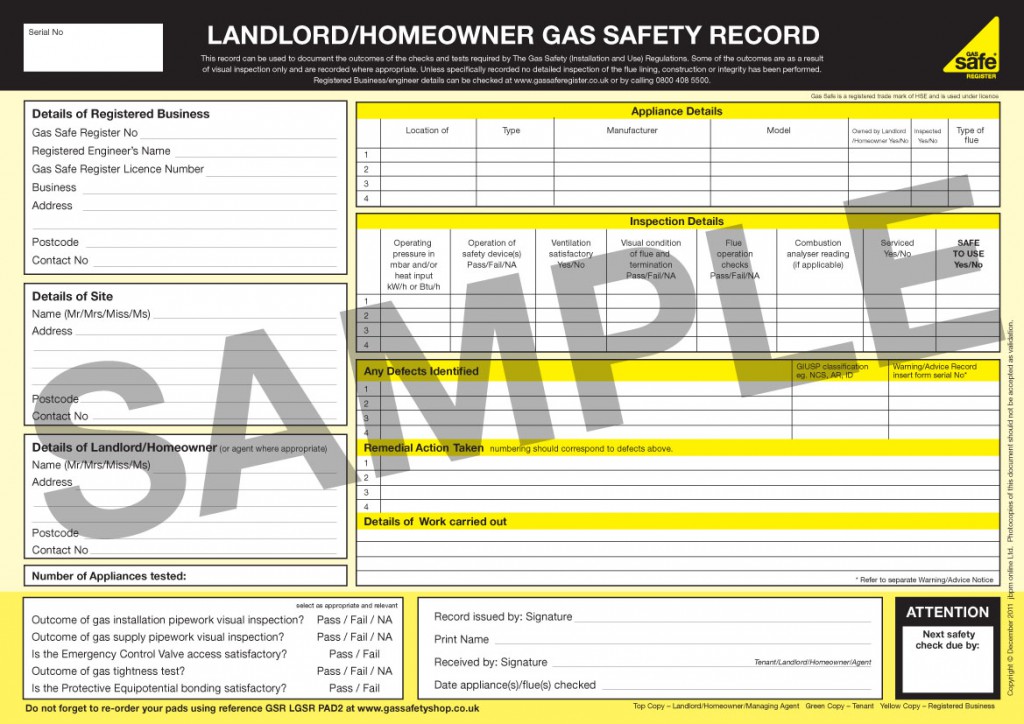
After the inspection and only once we are fully satisfied that the property is safe and secure from and Gas related dangers we will issue a CP12 certificate. All certificates must contain the following information:
- The name and gas safe ID number, and signature of the engineer who performed the gas safety check
- The date the check was performed
- The full address of the relevant property
- Locations and details of all of the gas appliances and flues
- Any problems the engineer found, and what measures were taken to fix the problem.
- The full name and address of the property owner
- A statement from the engineer to confirm that the check was completed fully and that it complies with all legislation
- The date of the next gas check, scheduled for the following year.
Common questions and answers
How much does it cost?
Prices for a gas safety certificate ranger from £45 up to £150. At LM Plumbers Worcester we charge £60.
Who can issue the CP12?
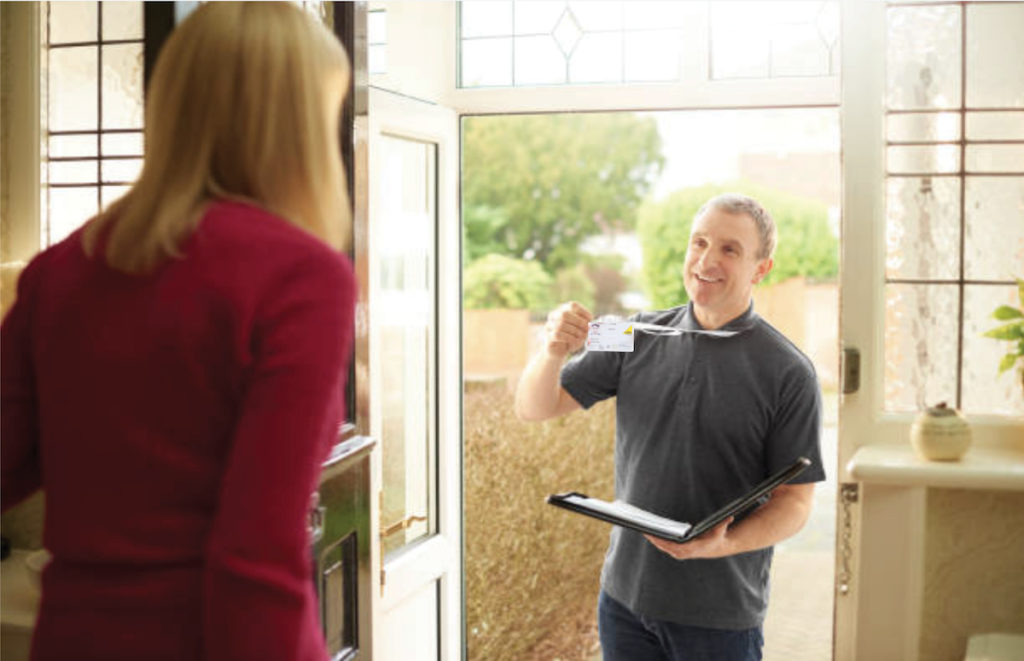
Legally, only registered Gas Safe engineers can perform gas safety inspections and issue a CP12. To verify that the gas engineer that you are considering hiring is registered you should check the gas safe register, you can do this via the gas safe website HERE.
How long will the gas check take?
Generally, a gas safety check will take around 30 minutes to complete. The more gas appliances that you have in your home the longer and more extensive the check will be. You must also take into consideration that if repairs need to be undertaken as faults are found during the check then this will affect the time and also the cost of the job.
What if the engineers find problems?
If during the gas inspection problems and faults are found, we or the engineer that you hire will notify you of the issues. We will always try to repair the faults on the spot so we can complete the check and provide the certificate. However, sometimes this is not possible if we need to order parts for example. In this case, it is important that and appliances that have been highlighted as faulty must be switched off and not used until the relevant repairs have been completed.

Important Links
Get in Touch
9 Seymour Av, Worcester WR3 7LT
01905 412889
admin@lmplumbersworcester.co.uk
